
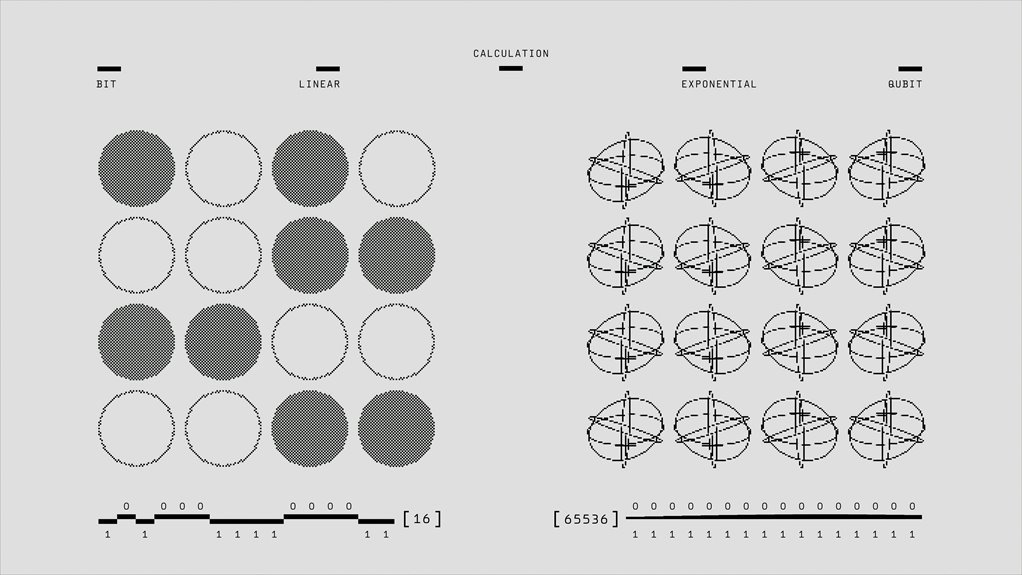
The EchoTitan Operational Grid links five nodes within an 18.84 by 18.84 matrix, enabling edge-enabled sensing, communication, and action. It relies on real-time analytics and tamper-evident ledgers to support fault-tolerant operation and dynamic energy deployment. The architecture emphasizes interoperability, cybersecurity, and governance to empower end users. Questions remain about deployment in volatile energy landscapes and the balance between utility-scale control and private ownership. The next considerations will shape practical viability and governance models.
What Is the Echotitan Operational Grid and Why It Matters
The Echotitan Operational Grid is a framework for coordinating autonomous sensing, communication, and action across distributed hardware assets to maintain robust, efficient, and secure system performance.
It enables resilient responses, scalable integration, and proactive risk reduction.
The grid supports disaster mitigation and policy alignment, aligning goals, protocols, and governance to sustain freedom through reliable, transparent, and adaptive infrastructure orchestration.
Core Architecture: 5 Nodes, 18.84×18.84 Matrix, and Real-Time Analytics
This Core Architecture comprises five interconnected nodes arranged within an 18.84 by 18.84 matrix, enabling dense, scalable sensing, control, and communication paths. The design supports real-time analytics through edge computing, enabling immediate decision cycles. Innovative protocols coordinate data flows, while a distributed ledger ensures tamper-evident transactions. Energy optimization emerges from decentralized processing, balancing load and resilience without central bottlenecks.
Deployment Scenarios and Fault-Tolerance in Dynamic Energy Landscapes
Deployment scenarios for EchoTitan hinge on adaptive configuration across fluctuating energy landscapes. The framework evaluates deployment strategies under varying load, intermittency, and connectivity to maintain service continuity. Fault resilience is engineered through distributed redundancy and rapid failover. Real time analytics drive responsive adjustments, while grid scalability underpins expansion. Clear governance minimizes risk, enabling resilient, flexible operational posture.
From Utility to End User: Practical Benefits, Challenges, and Next Steps
From utility-scale operations to end-user interactions, EchoTitan translates grid dynamics into tangible benefits: improved reliability, pricing clarity, and proactive energy management. The subtopic highlights practical benefits and deployment challenges, outlining end-user empowerment, streamlined demand response, and clearer tariff signals.
Deployment challenges include integration, cybersecurity, and interoperability, while next steps emphasize scalable rollout, stakeholder alignment, and continuous optimization for resilient, freedom-oriented energy ownership.
Frequently Asked Questions
How Is 18.84×18.84 Applied to Grid Topology?
The 18.84×18.84 application informs grid topology by shaping spatial clustering and interconnection density, guiding resilience and routing. It defines constraints for mesh layout, ensuring scalable, efficient grid topology while preserving flexibility for freedom-oriented design.
What Security Measures Protect Echotitan Data Streams?
Security measures protect Echotitan data streams via layered encryption, robust authentication, and continuous monitoring. Juxtaposition appears: openness versus guarded access. The system emphasizes data integrity through tamper-detection, integrity checks, and secure logging, aligning security practices with a freedom-minded, transparent posture.
Can the Grid Integrate With Existing Utility Metering?
Integration readiness supports metering compatibility with the grid, enabling seamless data exchange. It emphasizes cybersecurity governance, data integrity, grid resilience, and remote diagnostics, ensuring scalable integration while preserving freedom to innovate and adapt utility operations.
What’s the Expected ROI for Deployment at Scale?
The expected ROI for deployment at scale depends on cost savings, revenue opportunities, and risk management. ROI implications favor scalable modular deployment, while scaling considerations emphasize interoperability, maintenance, and capital efficiency for broad integration and long-term value realization.
How Does Echotitan Handle Cyber-Physical Attacks?
EchoTitan implements cyber-physical safeguards by design, prioritizing continuous monitoring, rapid anomaly detection, and automated containment. It emphasizes attack resilience through segmentation, redundancy, and resilient recovery, enabling operational continuity while minimizing exposure to evolving threats.
Conclusion
The Echotitan Operational Grid emerges as a lattice of synchronized signals, each node a compass point in a shared, humming matrix. Real-time analytics steer energy flows like tides, while tamper-evident ledgers glow with trust. In this compact ecosystem, resilience is built from interwoven fault tolerance and transparent tariffs, mapping complexity into clarity. As the grid breathes—predictable, auditable, adaptive—end users inhabit a safer, freer energy future, where structure and possibility meet at the edge.
